
"My child would rather watch videos than pick up a book."
If this sounds familiar, you're not alone.
Many parents worry that their children are losing interest in reading in a world filled with screens, games, and endless entertainment. Yet reading remains one of the most powerful tools for developing imagination, creativity, language skills, concentration, and academic success.
The good news?
Children are naturally curious. They love stories, adventures, funny characters, and discovering new things. The key is finding ways to make books feel exciting rather than something they have to do.
If you're wondering how to get your child interested in reading, these simple and practical tips can help turn books into a favourite part of everyday life.
1. Let Children Choose Their Own Books
One of the biggest reasons children lose interest in reading is that they are told what to read all the time.
Allow your child to explore:
- animals
- dinosaurs
- space
- vehicles
- fairy tales
- jokes
- facts
- superheroes
When children choose books based on their interests, they become much more eager to read.
2. Create a Reading-Friendly Environment
A cosy reading corner can make books feel special.
Add:
- cushions
- blankets
- soft lighting
- a small bookshelf
When books are visible and easily accessible, children are more likely to pick them up on their own.
3. Read Aloud Every Day
Reading aloud remains one of the best ways to encourage reading habits.
Even older children enjoy listening to stories.
Reading aloud:
- improves vocabulary
- develops listening skills
- strengthens family bonds
- makes books come alive
Just 10–15 minutes a day can make a huge difference.
4. Make Books Part of Everyday Life
Books don't always have to be reserved for bedtime.
Read:
- after lunch
- during travel
- before naps
- while waiting at appointments
The more naturally books fit into daily routines, the more normal reading becomes.
5. Start with Bright and Visual Books
Young children often respond better to pictures before words.
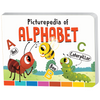
Board books, picture books, flashcards, and illustrated stories help children build visual connections and curiosity.
Since visual memory is often stronger than verbal memory, colourful illustrations can help children stay engaged while learning new concepts.
6. Turn Reading into an Adventure
After finishing a story:
- act it out
- draw favourite characters
- create alternate endings
- build scenes with toys
Books become much more exciting when they continue beyond the final page.
7. Let Children See You Reading
Children learn by observing.
When they see parents reading:
- books
- newspapers
- magazines
they begin to view reading as a valuable and enjoyable activity.
A child who grows up seeing books at home is more likely to become a reader.
8. Use Books to Explore Their Interests
If your child loves:
🚀 Space → Try space encyclopedias
🐯 Animals → Animal fact books
🌎 Geography → World facts and flags
🎨 Art → Colouring and activity books
Reading becomes much easier when it connects to something children already enjoy.
9. Celebrate Reading Milestones
Small rewards can help motivate young readers.
Celebrate:
- finishing a book
- reading for a week
- learning new words
- reading independently
Simple praise often works better than expensive rewards.
10. Make Reading Fun, Not a Chore
The goal is to create positive associations with books.
Avoid:
❌ forcing children to read
❌ comparing them with other readers
❌ turning reading into punishment
Instead:
✅ keep it relaxed
✅ make it enjoyable
✅ focus on progress rather than perfection
Why Reading Matters More Than Ever
Reading helps children develop:
📚 vocabulary
🧠 critical thinking
🎨 imagination
💬 communication skills
❤️ empathy
🌍 knowledge about the world
Books allow children to travel through time, explore distant places, meet fascinating characters, and learn new ideas—all without leaving home.
How Majestic Book Club Helps Children Fall in Love with Reading
The journey to becoming a reader often starts with the right books.
Majestic Book Club offers a wide variety of books designed to make reading enjoyable and engaging for young learners, including:
- My First Board Books
- Illustrated Storybooks
- Bedtime Story Collections
- Fact Books
- Encyclopedia Sets
- Activity Books
- Sticker Books
- Flashcards
- Puzzles
With colourful illustrations, age-appropriate content, and topics children love, these books help turn reading into an adventure rather than an obligation.
Final Thoughts
Children are not born loving books.
They fall in love with books through experiences.
A bedtime story.
A funny character.
A fascinating fact.
A cosy reading corner.
A parent who reads with them.
The goal isn't simply to teach children how to read.
It's to help them discover why reading is worth loving.
And once that happens, books can become lifelong companions.